 Concrete Calculator
Concrete Slab Calculator - Work Out Exact Quantities for Your Project
Calculate the exact amount of concrete needed for your slab project. Perfect for patios, driveways, garage floors, and shed bases.
Concrete Slab Calculator
Dedicated tool for calculating concrete slabs - patios, driveways, garage floors & more.
Calculation Results
Total Volume
0 m³
Estimated Weight
0 kg
Estimated Cost
£0
@ £/m³
Coverage Area
-
Pro Tip: Always order 5-10% extra concrete to account for spillage, uneven surfaces, and depth variations.
Related Concrete Calculators
How to Calculate Concrete for a Slab
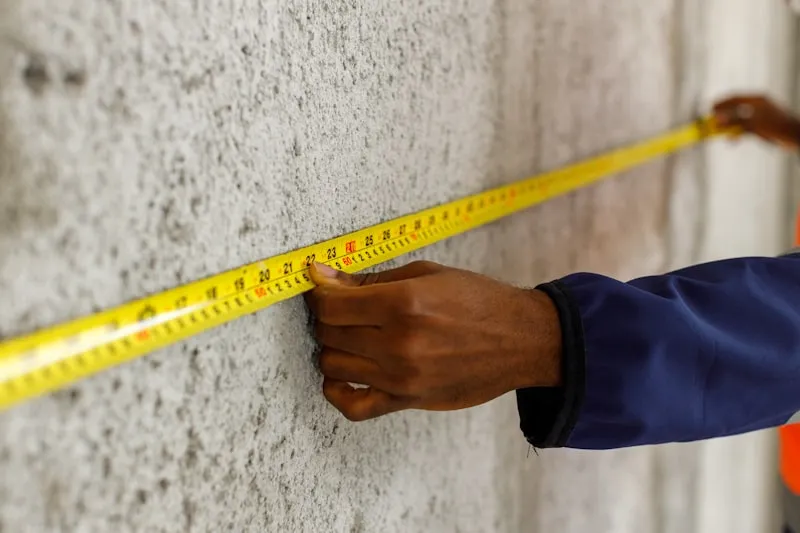
The formula is simple: multiply length by width by thickness, all in metres, to get your volume in cubic metres. One cubic metre of concrete needs 96 bags of 25kg, or 120 bags of 20kg — so the volume figure is the number you need before buying or ordering anything.
Take a standard shed base at 3m × 2m × 0.1m thick. That gives 0.6m³, which is 58 bags of 25kg concrete once you add the standard 10% for waste. A 6m × 4m garden patio at 100mm thick works out to 2.4m³ and around 231 bags. At that quantity, ordering ready-mix concrete is cheaper and far less effort than bagging by hand.
Always convert your thickness to metres before you calculate. 100mm is 0.1m, 150mm is 0.15m, and 200mm is 0.2m. This concrete slab calculator handles the unit conversion automatically — enter your dimensions above and read off the result. You can then use the concrete bag calculator to get an exact bag count for 20kg or 25kg bags.
Common Slab Sizes and Concrete Quantities
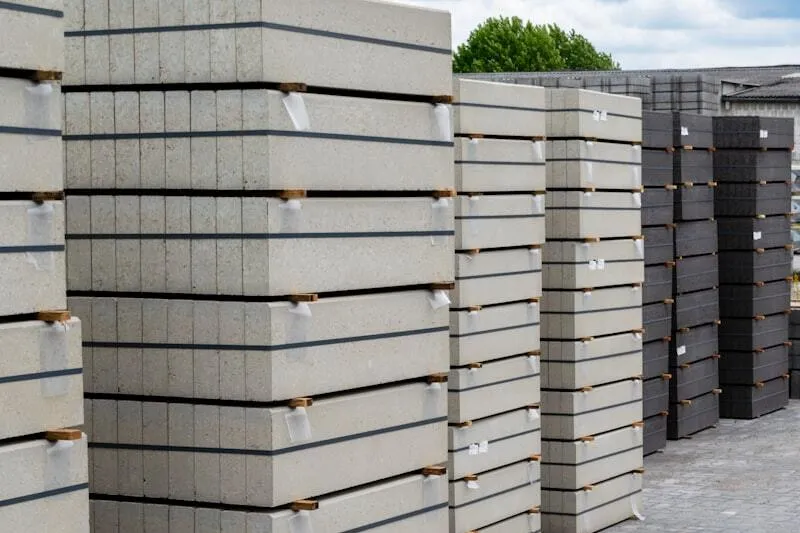
Slab thickness depends on what the finished surface will carry. Garden paths and shed bases work at 100mm. Driveways and garage floors need 150mm to handle vehicle weight without cracking. Slabs carrying heavy plant or commercial vehicles usually go to 200mm or thicker.
The table below gives concrete volumes and 25kg bag counts for common UK projects. All figures include 10% for waste, which is the standard allowance before you order or buy bags.
| Project | Typical Size | Thickness | Volume (m³) | 25kg Bags |
|---|---|---|---|---|
| Garden path (1 section) | 3m × 0.9m | 100mm | 0.30 | 29 |
| Small shed base | 3m × 2m | 100mm | 0.66 | 64 |
| Garden patio | 6m × 4m | 100mm | 2.64 | 254 |
| Single garage floor | 5m × 3m | 150mm | 2.48 | 238 |
| Double garage floor | 6m × 6m | 150mm | 5.94 | 571 |
If your slab sits on top of strip or pad footings, calculate the slab and the foundations separately. The concrete footing calculator gives you the foundation volume. Add both totals before placing your ready-mix order.
Choosing the Right Concrete Mix for Your Slab
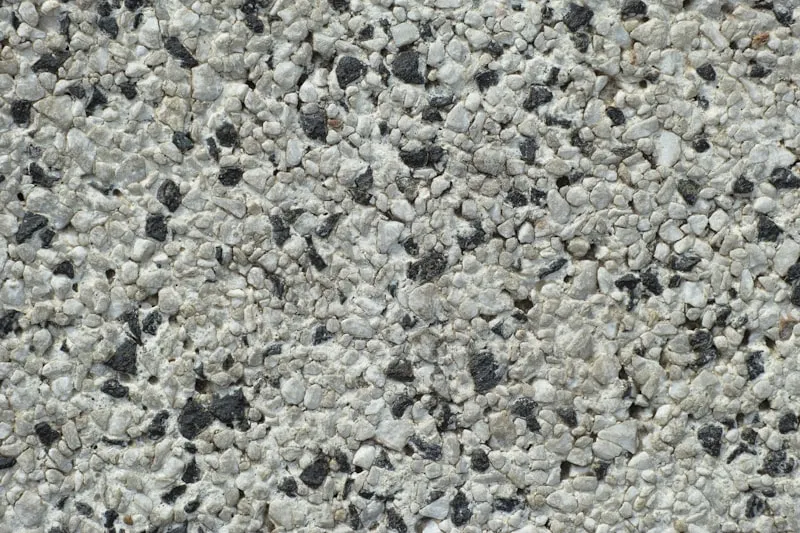
Concrete grade describes compressive strength, and the right grade depends on the loads your slab will carry. Using a weaker mix on a driveway causes surface deterioration within a few years. Using a stronger mix on a garden path costs more than necessary.
C20 (a 1:2:4 cement-to-sand-to-gravel ratio by volume) suits shed bases, garden paths, and low-traffic outdoor areas. C25 (1:2:3) is the standard choice for domestic driveways, garage floors, and any slab that vehicles will cross regularly. C30 (1:1.5:3) applies to slabs under heavy plant or in exposed locations where freeze-thaw cycles are severe.
Pre-mixed bags labelled "General Purpose" or "Patio Mix" typically give C20 strength. Bags marked "Driveway Mix" or "C25" are correct for garage floors and driveways. When ordering ready-mix, specify the grade by number: C20, C25, or C30. The table below shows which mix fits which project.
| Grade | Mix Ratio | Typical Slab Use |
|---|---|---|
| C20 | 1:2:4 | Garden paths, shed bases, light outdoor slabs |
| C25 | 1:2:3 | Driveways, garage floors, domestic ground-bearing slabs |
| C30 | 1:1.5:3 | Commercial slabs, heavy vehicle areas, exposed locations |
Tips for Pouring a Concrete Slab
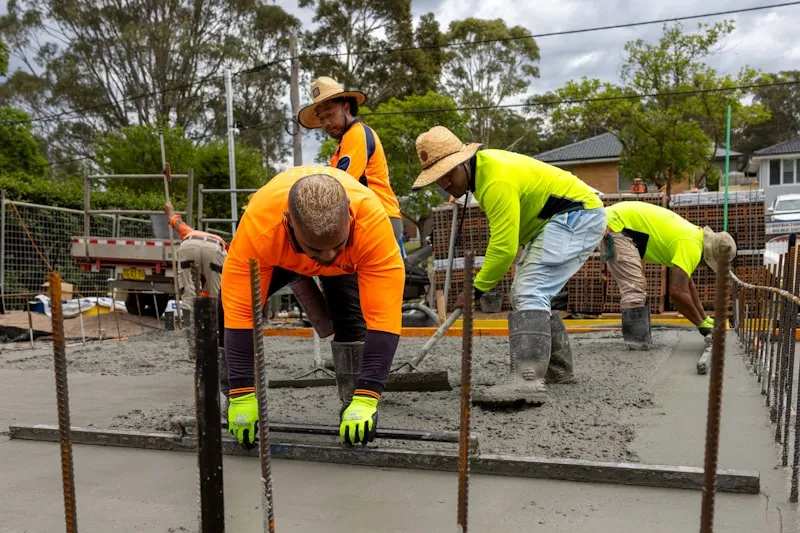
Prepare the sub-base before anything else. Lay 100mm of compacted hardcore or MOT Type 1 under residential slabs, and 150mm under driveways and garage floors. A weak sub-base is the most common cause of slab cracking, and no concrete grade fixes it after the pour.
Set your formwork level using a spirit level and timber boards fixed to pegs at the correct height. Check the level in both directions. An out-of-level form produces an out-of-level slab, which causes water to pool and accelerates surface wear. Order 10% more concrete than your calculated volume to cover spillage and any depth variation across the area.
Pour from the far corner and work back towards where the concrete is being delivered. Tamp or screed each section immediately after it lands, then float the surface to close the top. Cover the finished slab with polythene sheeting and keep it damp for at least three days in warm conditions, or seven days if temperatures drop below 5°C. Concrete builds the bulk of its strength over the first 28 days, so keep vehicle traffic off a new garage or driveway slab for at least seven days after the pour.