 Concrete Calculator
Concrete Column Calculator - Calculate Volume for Columns & Pillars
Calculate the exact volume of concrete needed for your column project. Perfect for support posts, structural pillars, and cylindrical foundations.
Concrete Column Calculator
Dedicated tool for calculating concrete columns - support posts, structural pillars & cylindrical foundations.
Calculation Results
Total Volume
0 m³
Estimated Weight
0 kg
Estimated Cost
£0
@ £/m³
Coverage Area
-
Pro Tip: Always order 5-10% extra concrete to account for spillage, uneven surfaces, and depth variations.
How to Calculate Concrete for a Column

For a round column, the formula is: Volume = π × radius² × height. The radius is half the diameter. Take a 300mm diameter column standing 3 metres tall: radius = 0.15m, so volume = 3.14159 × 0.0225 × 3 = 0.212 cubic metres. At roughly 12 litres per 25kg bag of premix, that works out to about 18 bags.
Square or rectangular columns are easier to calculate. Multiply width × depth × height. A 250mm × 250mm column at 2.5m tall gives 0.25 × 0.25 × 2.5 = 0.156 m³, which is about 13 bags of 25kg premix. Add 10% for waste on either shape.
The concrete column calculator at the top of this page handles both circular and square columns automatically. Enter the diameter or side length and height, and it shows volume in cubic metres, bag counts, and estimated cost.
Common Column Sizes and Bag Requirements in the UK

Most UK residential columns fall into three standard diameter ranges. Porch posts and carport supports typically use 200mm to 250mm tubes, while load-bearing structural columns are usually 300mm or wider. The table below shows volume and 25kg bag counts for common sizes, with no waste factor included.
| Diameter | Height | Volume (m³) | 25kg Bags |
|---|---|---|---|
| 200mm | 1.5m | 0.047 | 4 |
| 200mm | 2m | 0.063 | 6 |
| 200mm | 2.5m | 0.079 | 7 |
| 200mm | 3m | 0.094 | 8 |
| 250mm | 1.5m | 0.074 | 7 |
| 250mm | 2m | 0.098 | 9 |
| 250mm | 2.5m | 0.123 | 11 |
| 250mm | 3m | 0.147 | 13 |
| 300mm | 1.5m | 0.106 | 9 |
| 300mm | 2m | 0.141 | 12 |
| 300mm | 2.5m | 0.177 | 15 |
| 300mm | 3m | 0.212 | 18 |
Always add at least 10% to these figures when ordering bags. Spillage and wastage during pouring are common, especially for first-time builders. If you are placing a foundation pad beneath the column, use our concrete footing calculator to work out that volume separately.
Choosing the Right Concrete Mix for UK Columns

Concrete strength is specified by compressive class in the UK. A non-structural garden post or porch column works fine at C20/25 (20 N/mm² strength). For columns carrying roof or floor loads, specify C25/30 as a minimum. High-load situations, such as columns under a multi-storey structure, call for C30/37 or higher, which must be ordered as ready-mix from a batching plant.
For DIY mixing, a 1:2:3 ratio (one part cement, two parts sharp sand, three parts 20mm aggregate) gives roughly C20 strength, enough for most garden columns and small porch supports. Use clean tap water and keep the mix as stiff as possible while still workable.
Ready-mix is worth ordering for any column above 2 metres or when multiple columns are needed on the same day. It gives consistent strength and slump, and reduces the risk of cold joints from mixing delays. Specify a 75mm slump for columns poured into Sonotube forms.
Tips for Pouring Concrete Columns
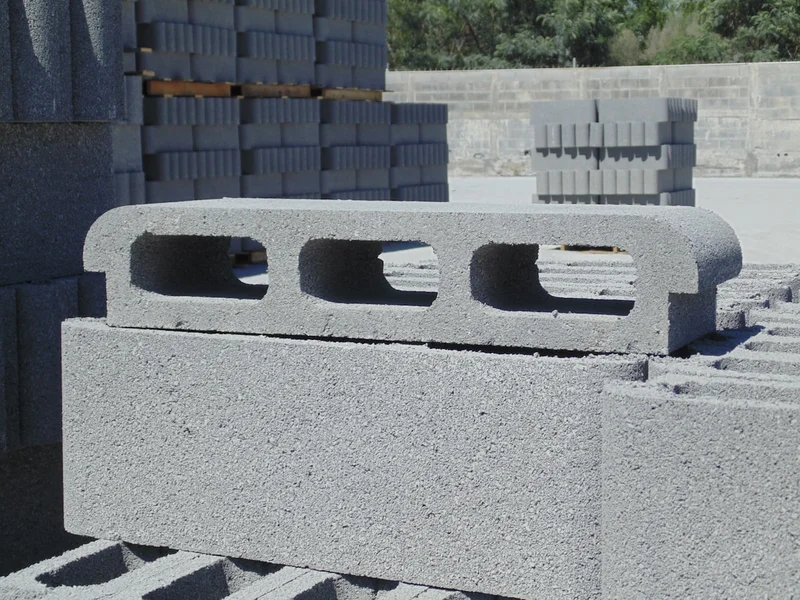
Sonotube cardboard forms are the standard choice for round columns in the UK. They are available in diameters from 150mm to 600mm at most builders merchants. Cut the tube to the exact finished height, brace it vertical with a spirit level, and anchor the base before pouring begins.
Pour concrete in 300mm lifts rather than filling the tube in one go. After each lift, rod the concrete vigorously or use a vibrator to remove trapped air. Pockets of air weaken the column and show as voids once the form is stripped.
Leave the Sonotube in place for at least 48 hours before stripping. Keep the exposed concrete damp for three to five days by wrapping it in polythene or wet hessian. Wait a full seven days before applying any structural load to the column.
If the column base needs a concrete pad, calculate the footing size first using our concrete footing calculator. For floor slabs around the base of columns, the concrete slab calculator handles that volume separately.