 Concrete Calculator
Concrete Ballast Calculator UK — Ballast, Cement & Cost
Work out how much ballast and cement you need for any concrete project. Enter dimensions, choose your cement-to-ballast ratio, and get quantities in kg, bags, and tonnes — plus a cost estimate and water requirement.
Ballast Calculator
Choose a project preset or enter custom dimensions. Select your cement-to-ballast ratio and get ballast tonnes, cement bags, and cost.
Results
Concrete Volume
0.475 m³
incl. waste
Ballast
0.99 tonnes
988 kg
Cement
6 × 25kg bags
143 kg
Estimated Cost
£99.38
ballast + cement
Buying Guide
25kg bags
40 bags ballast
Jumbo bags (800kg)
1.24 bags ballast
Water estimate
67 litres
Tip: For volumes over 1m³, a bulk tonne bag of ballast (£55-65) is far cheaper per kg than 25kg bags. Use our mix calculator to compare ballast vs separate sand and aggregate.
How to Use the Ballast Calculator
Choose your project
Select a preset — shed base, patio, driveway, footings, or garden path. Dimensions and ratio fill in automatically.
Set ratio and units
Choose 1:4 to 1:8 cement:ballast ratio. Adjust units with the dropdown — your Settings preference loads automatically.
Read your results
Get ballast in tonnes and bags, cement bags, water estimate, and total cost.
How to Calculate Ballast for Concrete

First calculate your concrete volume: length × width × depth. A 2.4m × 1.8m shed base at 100mm thick is 2.4 × 1.8 × 0.1 = 0.432m³. Add 10% waste and you need 0.475m³.
Then apply your cement-to-ballast ratio. For a standard 1:6 mix, one cubic metre of finished concrete needs approximately 300kg of cement and 2,080kg of ballast. Multiply these by your volume: 0.475 × 300 = 143kg cement (6 bags of 25kg) and 0.475 × 2,080 = 988kg ballast (roughly 1 tonne).
Ballast is a premixed blend of sharp sand and 10-20mm gravel, so you do not need to buy sand and aggregate separately. This simplifies ordering and reduces the chance of getting the grading wrong. One tonne bag of ballast at a builders merchant covers approximately 0.5-0.6m³ of finished concrete depending on the ratio.
The calculator above handles all this arithmetic. Enter dimensions, choose your ratio, and it outputs ballast in tonnes and bags alongside cement bags, water estimate, and cost.
Cement to Ballast Ratios Explained

The ratio is always expressed as cement:ballast by volume — one bucket of cement to a given number of buckets of ballast.
| Ratio | Approx. Grade | Cement/m³ | Ballast/m³ | Best For |
|---|---|---|---|---|
| 1:4 | C25 | 425kg (17 bags) | 2.0 tonnes | Driveways, vehicle areas |
| 1:5 | C20 | 350kg (14 bags) | 2.0 tonnes | Footings, floor slabs |
| 1:6 | C15 | 300kg (12 bags) | 2.08 tonnes | Shed bases, patios, paths ← most common |
| 1:8 | Lean | 200kg (8 bags) | 2.34 tonnes | Blinding, backfill, sub-bases |
A 1:6 mix is the standard for most domestic projects. It costs less in cement than a 1:4 mix and provides adequate strength for foot traffic and light static loads. For driveways, step up to 1:4 — the extra cement improves freeze-thaw resistance and handles vehicle weight. Use a 1:8 lean mix only for non-structural work like filling trenches or levelling ground before the main slab.
Ballast Quantities for Common UK Projects

| Project | Size | Volume | Ballast | Cement |
|---|---|---|---|---|
| Small shed base | 2.4 × 1.8m × 100mm | 0.48m³ | 0.99t | 6 bags |
| Patio | 3 × 3m × 75mm | 0.74m³ | 1.54t | 9 bags |
| Single driveway | 4 × 3m × 100mm | 1.32m³ | 2.64t | 23 bags |
| Strip footings | 5 × 0.4m × 200mm | 0.44m³ | 0.88t | 7 bags |
| Garden path | 5 × 1m × 75mm | 0.41m³ | 0.86t | 5 bags |
These figures use a 1:6 ratio with 10% waste except the driveway which uses 1:4. For your exact dimensions, use the ballast calculator above. All volumes assume a level, compacted sub-base is already prepared.
When ordering ballast in tonne bags (jumbo bags), remember that an 800kg bag contains about 0.45m³ of loose material. Allow for the weight difference between quoted bag weight and actual delivered weight — moisture content can add 5-10% to the mass.
Ballast vs Separate Sand and Aggregate
Ballast combines sand and gravel in one product. Buying separate sharp sand and 20mm aggregate gives you more control over grading but costs more and requires accurate batching of two materials instead of one.
For most domestic projects — shed bases, garden paths, patios, and footings — ballast is the practical choice. It is simpler to order, easier to batch in a mixer, and typically 15-25% cheaper than the equivalent separate materials. The resulting concrete meets standard domestic requirements without difficulty.
Where separate sand and aggregate matter is in structural work above C25, exposed aggregate finishes where stone size is critical, or professional projects requiring designed mixes to BS 8500. For those applications, use our concrete mix calculator which handles separate sand and aggregate quantities.
Tips for Buying and Mixing Ballast
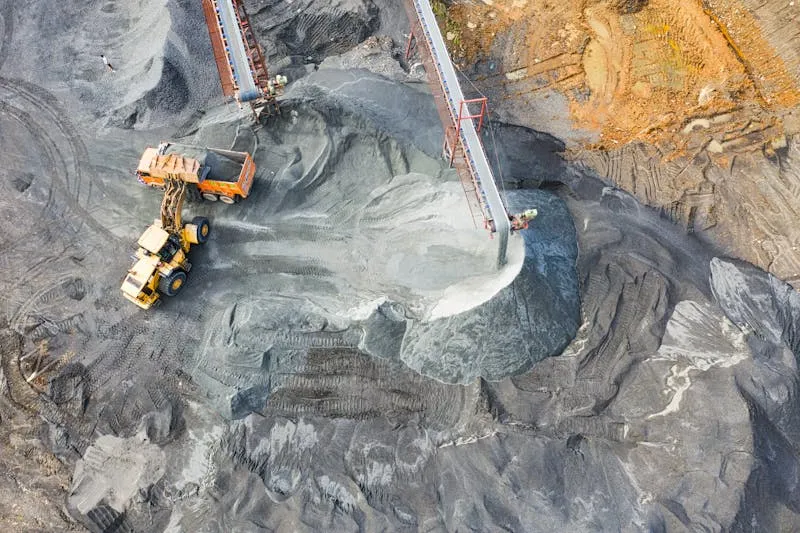
Buy from a builders merchant rather than a DIY chain. Jewson, Travis Perkins, and local independents sell tonne bags at trade prices — expect to pay £55-65 per tonne bag delivered. The same weight in 25kg bags from B&Q costs double.
Check delivery access before ordering. A lorry with a hiab crane needs 4m clearance and firm ground. For tight sites, ask about a flatbed with manual offload, or collect with a trailer — most merchants have loading facilities.
Store ballast on a firm, level surface covered with a tarp. Wet ballast is heavier and harder to mix accurately. In winter, frozen lumps of ballast jam in the mixer — break them up before loading.
When mixing, add the dry cement and ballast to the mixer first. Run the drum for a minute to combine them evenly, then add water gradually. The finished mix should hold its shape when squeezed but not be crumbly. Use our bag calculator if you are using premixed bags instead.
Related Concrete Calculators
Ballast Calculator FAQ
For a 1:6 mix (C15): 300kg cement (12 bags) and 2.08 tonnes of ballast. For a 1:5 mix (C20): 350kg cement (14 bags) and 2.0 tonnes of ballast.
For a 1:4 mix (C25): 425kg cement (17 bags) and 2.0 tonnes of ballast. These figures are for one cubic metre of finished wet concrete.
Enter your project dimensions above and the calculator works out the scaled quantities including your chosen waste allowance.